A glimpse into the entrails of our ghoulish collection
Having work included in an anthology cuddles the arrogance-guilt gland because plugging the book also promotes the work of one's fellow contributors. Shared limelight gives a warmer glow. It feels good, especially if your opinion of the other contributions is genuinely high.

Fifteen moons ago I received a most unexpected email to say that a musing of mine would be included in a new anthology of Gothic tales. It was a rejuvenating message for someone languishing in the late autumn of his creative life. I was keen to learn who would be encased with me in this gloomthy tome, and even keener to become familiar with the progeny of their pens. When this eventually happened, it brought about an infectious kick. I found my tale nestled among five sinister adventures that bolstered my faith in the fertility of the melancholy imagination. I must pass my feelings on.

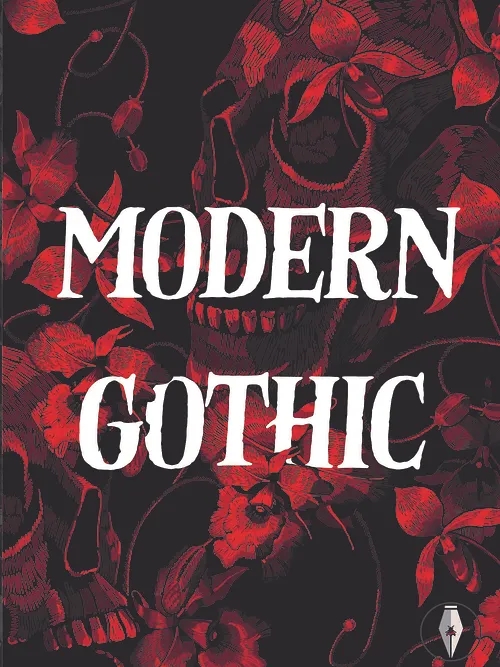
And so, let me tease you with a few observations. Here’s a glimpse of the secrets you might divine if you are curious and courageous enough to peer into the innards of Modern Gothic.
A Glass House for Esther
Michael Bird
“The windows rattled. The walls shook.”
I was thrilled to discover that the opening story in this anthology preserved a long-standing tradition in Gothic fiction, which is to frame the action within architectural structures. Thus, the fictional built environment becomes the exoskeleton of the plot. Castles, crypts, abbeys, manor houses, mansions and ruins have so frequently featured in the best of classic Gothic, and when they do so they do not simply provide scenery, they impose mood and constrict the action, and hence the inanimate increases the intensity. The structures become silent characters who impose their inexorable influence on the humans within.

Michael Bird’s story does exactly that. Once his gigantic conservatory is established its presence exerts a tangible force and the terrible becomes inevitable.  Michael’s astutely selected vocabulary and perceptively organised syntax, stylishly set the historical context. We instantly know where we are. The Victorian setting, in which emergent science is matched with misguided deeds, provides the ideal foundation for the first gut-thumping shudders of this volume to be delivered. There is something disturbingly commonplace but seldomly exposed at the heart of this story. It contains a delicately brutal depiction of despicable honesty. The toughened glass story structure reflects to show those things we might not desire to see, but see them we must, and should. There are incisive incisions into the social fabric. Status is tested. Attitudes punch. Desires distort. It is a story that exposes the architecture of aspiration.
Livid
Pete Hartley
“Nothing in the theatre is actually what it seems.”
An Edwardian deception. I will say more about this on future occasions. For now, I wish to focus on the work of my fellow Gothicists.
Dark Water: An Appalachia Ohio Story
Ed Karshner
“I’d prefer to handle our business quickly so I can get home before hollow dark.”
There’s an invigorating change of period and place as we switch from English to American Gothic. The reader instantly perceives the expansive spaces, but also the oppressive atmosphere of the folded topography of early twentieth-century Ohio. We soon sense the sinister within the apparent sanctimonious. Ed chisels hard-edged dialogue to demonstrate the ingrained resolve of those who feel the obligation imposed by the presumed pressure of supernatural authority. He expertly twists the plot strands to score us with unanticipated welts. The ambience is wicker, the aftertaste stagnant. The local lore strikes sucker punches. Dark waters run deep, but the bile of bigotry plummets further and the age-old mangled struggle between the respectable and the obligatory opens wounds to admit the incurable. This tale is a testament to the truth as preached by Gothic evangelists: we must all ultimately confront our apocalypse.
A Respectable Tenancy
Rose Biggin
“Eight years is a good many years away, so no need to be thinking about that just yet.”
The emerging ache of this story becomes almost unbearable. It is a masterpiece of anticipation. Rose kicks the contemporary right into the solar plexus of Modern Gothic but simultaneously sustains the historic traditions of the genre. It is a supremely savage story delivered with deliciously deceptive decency. The author threads the tension with exquisite skill. The setting up is sly, but depicted with such refined exposition that our arms-length sympathy for the characters is transfused into a visceral fear for them. The threat is incredibly subtle to begin with, but boy, how it builds! There is a brilliant balance of delight and dread which manifests as a palpable torque of empathy. Rose pierces through a lace glove. She consoles like an undertaker. You are left with the impression that the first draft of this story may not have been written in ink.
The Rot
Lauren Archer
“Each one is a monstrous creation.”
The title of Lauren’s tale is as portentous as the first stain of its natural counterpart. We are immediately on insecure tenterhooks. Things are not going to get nicer, or firmer. This story is peppered with the precisely observed detail of the detritus of everyday life. Now the Gothic is fully modern, but be assured, the age-old pestilence is still under the surface. There are rare flourishes in this fiction: a crisp exposé of the intimately salted stings of shared living, the sarcasm of uncomfortable architecture, the terrors of the interminable temporary. The language pupates, becoming increasingly discomforting. We are presented with a fungal lasagne of meaning. There are multiple layers to this composition and they are all interlinked with infection as the eponymous rot finds new fissures. It penetrates and festers in corners you did not realise were there. The soreness of this story gets under the skin and stays. Here are aspects of ourselves that we like to paint over, but that will not hide the fact that they exist. These home truths demand a thorough survey.
The City Where One Finds the Lost
Lerah Mae Barcenilla
“I know I am no longer alone.”
This is a very beautiful composition that interweaves the lusciously exotic with the spiritually universal and the intensely personal. It is expertly placed to close the collection because it echoes so many of the intrinsically Gothic ingredients encountered in the previous five stories but does so within a refreshingly specific environment. Architecture is central again, but so is the natural, the rotten, and the deceitful. Dreams return, reality is blurred, souls touch. Here is horticulture as poetry, amid an uncertain paradise, and an untrustworthy home. Lerah imposes afresh that standard shock of the Gothic in which the unexpected emerges from within the gorgeous. She ensures that as you shut this testament the poisonous serum flavours will linger. The story is an hallucinatory cocoon to metamorphosise the mind. It is transportive, elegant, soul-twirling and intoxicating. It invigorates and then embalms.
Modern Gothic is much more than a spooky diversion. There are important ideas in the foundations of the chapters. The stories are side-chapels dedicated to icons of the soul. Ambition is shown to be no archangel, status is not saintly, affluence cannot buy grace, cognition is not perceptive, certainty is unsure, shelter can be deceptive and the self is ultimately untrustworthy. Beauty is built on the gore that lies beneath, wakefulness is a dream state, the end is already underway behind us, while new beginnings belong to someone, or something, else.
Former drama teacher, fringe theatre producer and director, and author of novels, short stories and some non-fiction work. I now hawk my output under the moniker of uneasybooks.
View all posts by Pete Hartley









 uneasywords
One thought on “Modern Gothic revealed”