
A lack of appreciation for a ‘missing’ album by my favourite band
Between September 2020 and February 2022, I posted a series of blogs reviewing the first tranche of Strawbs albums in the order that they were released. I stopped with Deadlines released in 1978, which became the final issue before the band dissolved. They reformed with a revised line-up a few years later. Meanwhile, one album slept, recorded but – almost – never heard.
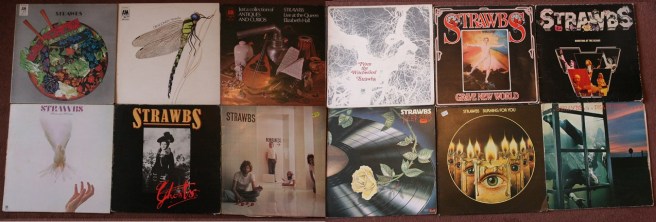
I mentioned in an earlier post Rehanging the Gallery that singer-songwriter David Cousins cringed when I told him that the Strawbs’ album Nomadness was one of my favourites. Several decades later I cringed when I read that the ‘missing’ album Heartbreak Hill was one of his favourites.
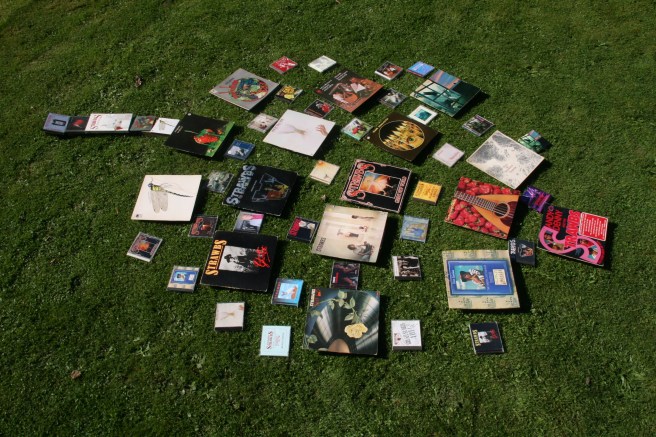
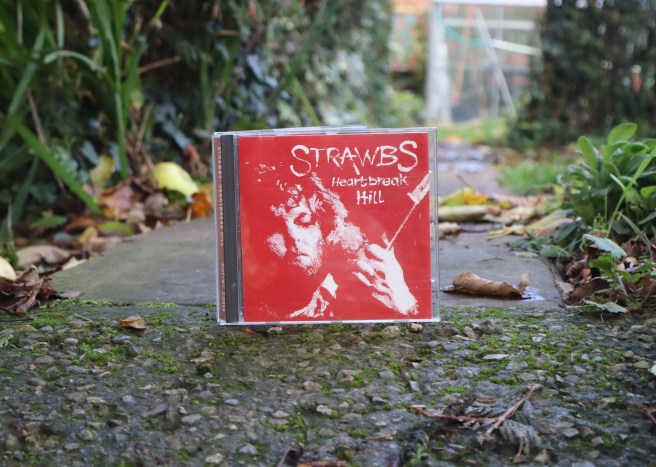
Recorded in 1978 the album was finished just before the band’s management withdrew their support and their recording deal was terminated. Cousins switched from performing to radio station management. Just a few cassette copies of the recordings got out under the title Starting Over, but the album did not appear on other formats until 1995, when I obtained my CD copy. I was disappointed. I have pretty much every album by the band and solo records by their leader, the exceptions being a few of the compilation collections. Heartbreak Hill is among my three least liked studio albums (with Burning for You, and Secret Paths).
Upon first listen it was clear to me why record company executives would not have been bursting to put it out. It sounds not untypical of mature rock bands of the time, but that level of homogenised beat and keyboard dominance wasn’t Strawbs to my mind. Much of the material sounds like it has been recorded through a damp sock. Some of the songs are simply mundane. There are three or four decent tracks, but subsequent recordings of those are significantly superior. By the time the album was issued, the best track, Something for Nothing, had already appeared on Don’t Say Goodbye in a much sharper manifestation. Desert Song is entertaining but fails to generate anything like the Middle Eastern vibes of the various versions of Tell Me What You See in Me, a truly great song from aeons ago. Let it Rain is a good song in a recognisable Strawbs style.
While the lyrical integrity of this album is always high, much of the musical arrangement is bland, uninventive and twisted towards the commercial. I find it surprising that Tom Allum produced this album. His work on earlier Strawbs records is supreme. I have to wonder if pressure from the record company was distorting the creative instincts of all involved, or perhaps the band was just running out of time.
In common with the 2017 Ferryman’s Curse album, the biggest disappointment is the title track. The lyrics of Heartbreak Hill are heartfelt, but it is overly repetitive, and while the relentless pounding may be indicative of jogging uphill deep in a marathon, it lacks the peculiar verbal embellishment and experimental musical creativity of the epics found on the earlier albums.
I waited over a decade to get my hands on this record, then left if for another ten years or so before playing it again. With repeated listening the disappointment softens, or maybe it’s just the geriatric tempering of my taste.
Thankfully the subsequent recordings of the band rediscovered the unique qualities that hooked me in ’73 and which I still crave.

Track by track
Something for Nothing
As mentioned above, the best track on the album but not the best version of it. After recording the closing guitar solo in the middle of the night, Dave Lambert, who had been the lead guitarist for five years, had “finished his solo, packed his bags and gone”.[1] As this was the first track to be recorded, replacement guitarists had to be brought in, and while they did admirable work, it may explain the lack of prominence given to that instrument on the remaining tracks, and a general inconsistency in six-string style. Listen to Don’t Say Goodbye and Greatest Hits Live recordings for much better renditions of this song.
Another Day Without You
A drift in the direction of soft rock. Enough said.
We Can Make It Together
This has a bit more old-Strawbs grip lyrically, perhaps explained by the fact that this song was written a decade earlier, in 1967 after Dave Cousins had witnessed the Hyde Park riot.[2]
Heartbreak Hill
As well as the obvious romantic meaning, the title refers to a demoralising climb included in the Boston Marathon road race. Andy Richards had joined the band prior to the recording of this album. He is a highly accomplished keyboardist, who Cousins compared favourably to Rick Wakeman. Like the latter, he demonstrates a terrific virtuosity, which is especially evident on this track, but the result is more generic than the keyboard elements of earlier, and later Strawbs’ songs. This could be down to the production. Punk was working its guts out, and mainline rock was being dragged towards synth pop. This track is symptomatic of that shift. As is the next.
Starting over
Both this and the previous track would sit reasonably in a musical theatre show. The production swamps the senses in a melodramatic manner and summons up contemporary dancers leaping, tumbling and intertwining across hazy stages. Gone is the Sturm und Drang, thunder and thorns of classic Strawbs. I’m glad this type of production proved not to be the style of starting over that the title suggests.
Two Separate People
Here we go again. I can’t help imagining how these lyrics would have been embellished if recorded as part of Bursting at the Seams or Ghosts. Here the arrangement is bland, bland, bland.
Desert Song
This one is okay. A Bed(ouin)-time fantasy. The accompaniment could be more Middle Eastern to match the verbal imagery, and while it’s a long way from a sultan’s ransom, it’s sufficient to secure a safe night under the camel skins.
Let it Rain
Another song that sounded stronger when re-recorded at a later date on Don’t Say Goodbye. This closing track is probably the second best on the album, but I found it too middle-of-the road in mood. Like many of the other tracks, it sounds like a band trying to survive the seismic change in record buying taste, which they didn’t.
In summary
If you know me or have read my previous posts about the Strawbs and their leader, you’ll know how much I love their work. I’m aware that other fans really like this album, but try as I might, I just cannot embrace it.
It was a difficult time for folk-rock and prog-rock groups. Popular music is a fickle industry. Popular doesn’t stay popular for long. Bands that do not evolve run the risk of having their work dumped in the bargain bucket. Those that do change risk shedding their core supporters. Had this album been issued in 1978, I have a horrible feeling that the Strawbs would have suffered both outcomes. I’m sure others will disagree, but according to Cousins’ own testimony it could be that their management had the same fears. They wanted to keep DC on the books but stopped paying the other members of the group. At the time I was heartbroken; but having listened to this album, I think it was probably the right decision.
Thankfully for me, and thousands of other fans, the Strawbs would start over, and it would be with a much more satisfying treatment of these and other tracks.
References
[1] Cousins, Exercising Ghosts, Witchwood Media, 2014, page 215.
[2] Cousins, Secrets, Stories, Songs, Witchwood Media, 2010, page 235

 uneasywords
One thought on “Rockfall on Heartbreak Hill”